Production
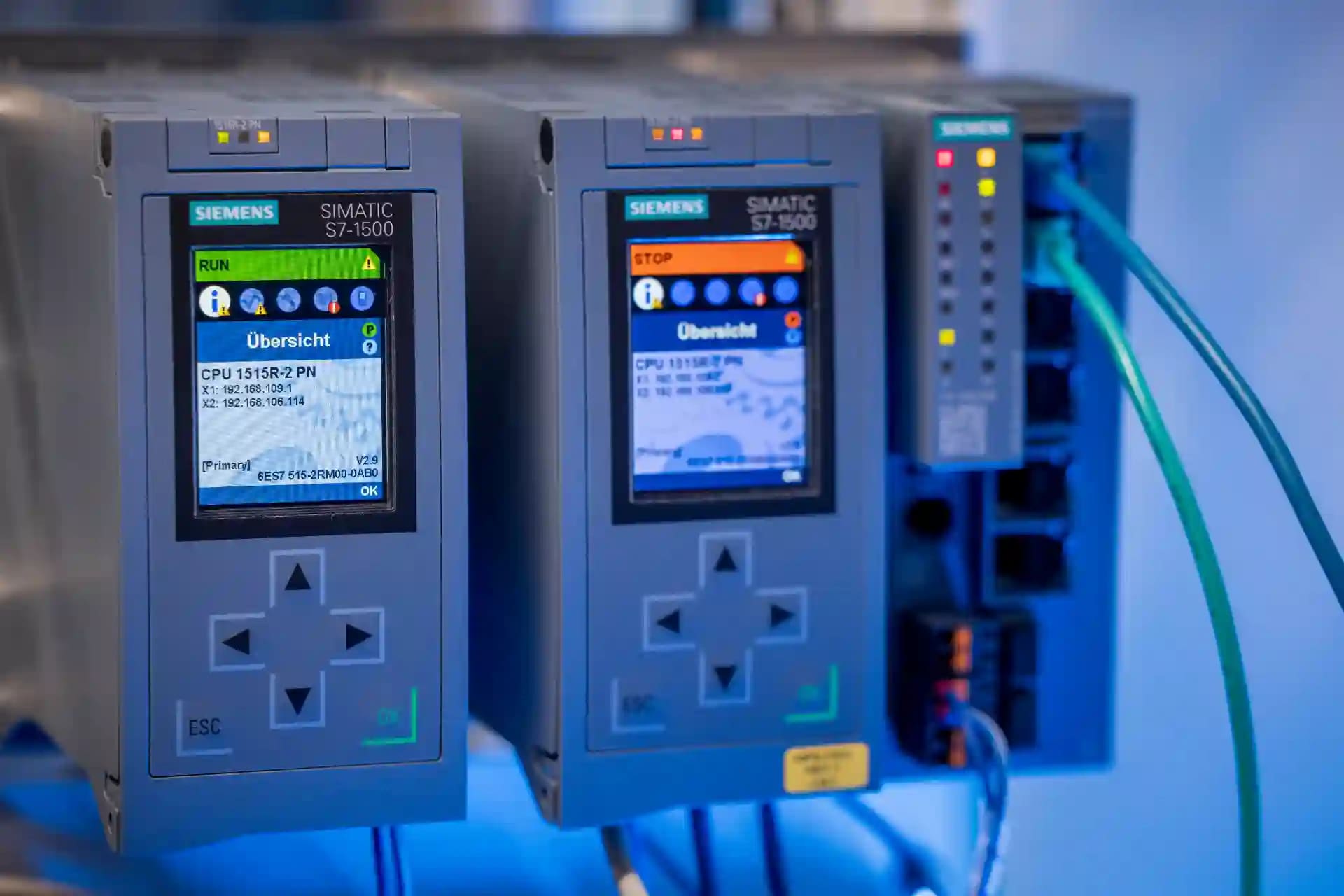
Discover machines and connections in a production line. Identify dependencies during maintenance and outages.
secnostic® inventory turns ITIT comprises systems, networks, and software that process, store, transmit, or provide information., OTOT covers hardware and software that monitor and control physical devices, plants, processes, or infrastructure., and infrastructure assetsAn asset is a physical or digital element that is relevant to operations, control, monitoring, or security. into a shared source of truth for security, operations, compliance, and modernization.
The inventory links technical systems, sites, networks, software, ownership, dependencies, vulnerabilitiesA vulnerability is an exploitable weakness in software, hardware, configuration, process, or architecture., lifecycles, and audit evidence in one model.
An assetAn asset is a physical or digital element that is relevant to operations, control, monitoring, or security. is never just a name. The secnostic® inventory links it to where it lives, what it runs, who owns it, and what it puts at risk. A flat list becomes a living picture where impact is clear.
Unseen assetsAn asset is a physical or digital element that is relevant to operations, control, monitoring, or security. cost money, carry risk, and fail audits.
Devices and services you pay for but never track are a quiet drain on the budget.
You over-buy seats no one uses, then fail the audit on the ones you do.
Every review starts with painstaking manual work across tools and spreadsheets.
Machines and building systems run on your networks, off every ITIT comprises systems, networks, and software that process, store, transmit, or provide information. tool's radar.
Four steps from scattered data to one connected model that makes impact, risk, and evidence visible.
Where does the data come from?
Existing scanners, address management and files provide data through configured imports or interfaces. Passing sensor data to inventory requires a configured integration.
Does the model fit your world?
There is no fixed schema. You define your own assetAn asset is a physical or digital element that is relevant to operations, control, monitoring, or security. types and relationships, and shape zonesZones & Conduits is an IEC 62443 concept that groups systems with similar protection needs into security zones and describes permitted communication paths between these zones as conduits., sites and applications the way your organization works.
How does it all connect?
Every assetAn asset is a physical or digital element that is relevant to operations, control, monitoring, or security. links to its site, software, owner, lifecycle and dependencies, becoming a dependable model instead of a flat list.
What does it mean?
The connected model surfaces criticality, vulnerabilitiesA vulnerability is an exploitable weakness in software, hardware, configuration, process, or architecture., attack paths, and traceable evidence, so you make decisions instead of maintaining data.
From critical infrastructureKRITIS is the German abbreviation for critical infrastructure: facilities and services whose disruption would have a significant impact on society. to central ITIT comprises systems, networks, and software that process, store, transmit, or provide information.: the same foundation, visible value.
Discover machines and connections in a production line. Identify dependencies during maintenance and outages.
Bring together facilities, networks, and ownership across sites. Understand dependencies for operations and maintenance.

Discover technical devices in a building and their connections. Assign ownership and remote access.
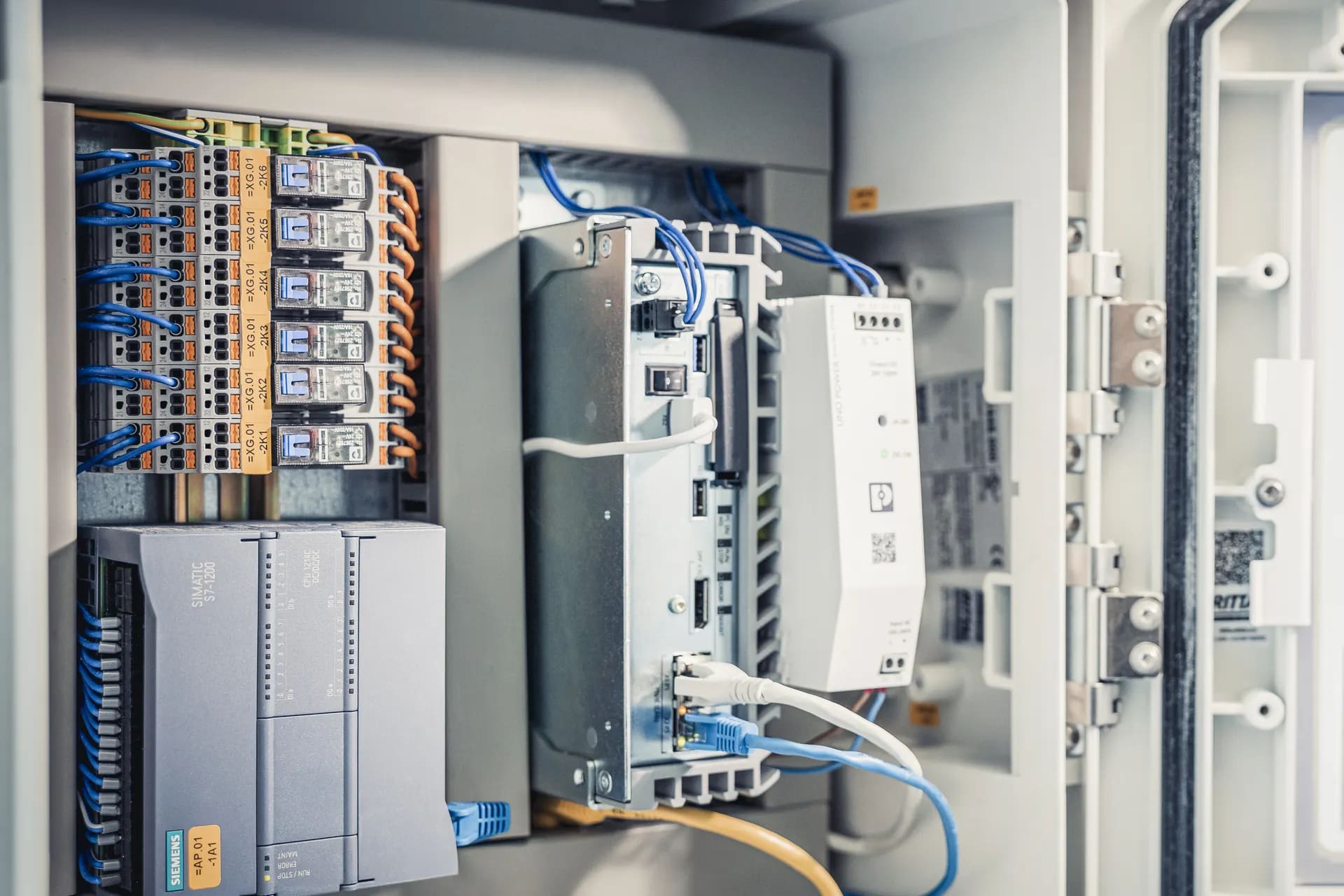
Bring together computers, servers, software, and cloud services. IT operations and support use the same inventory.
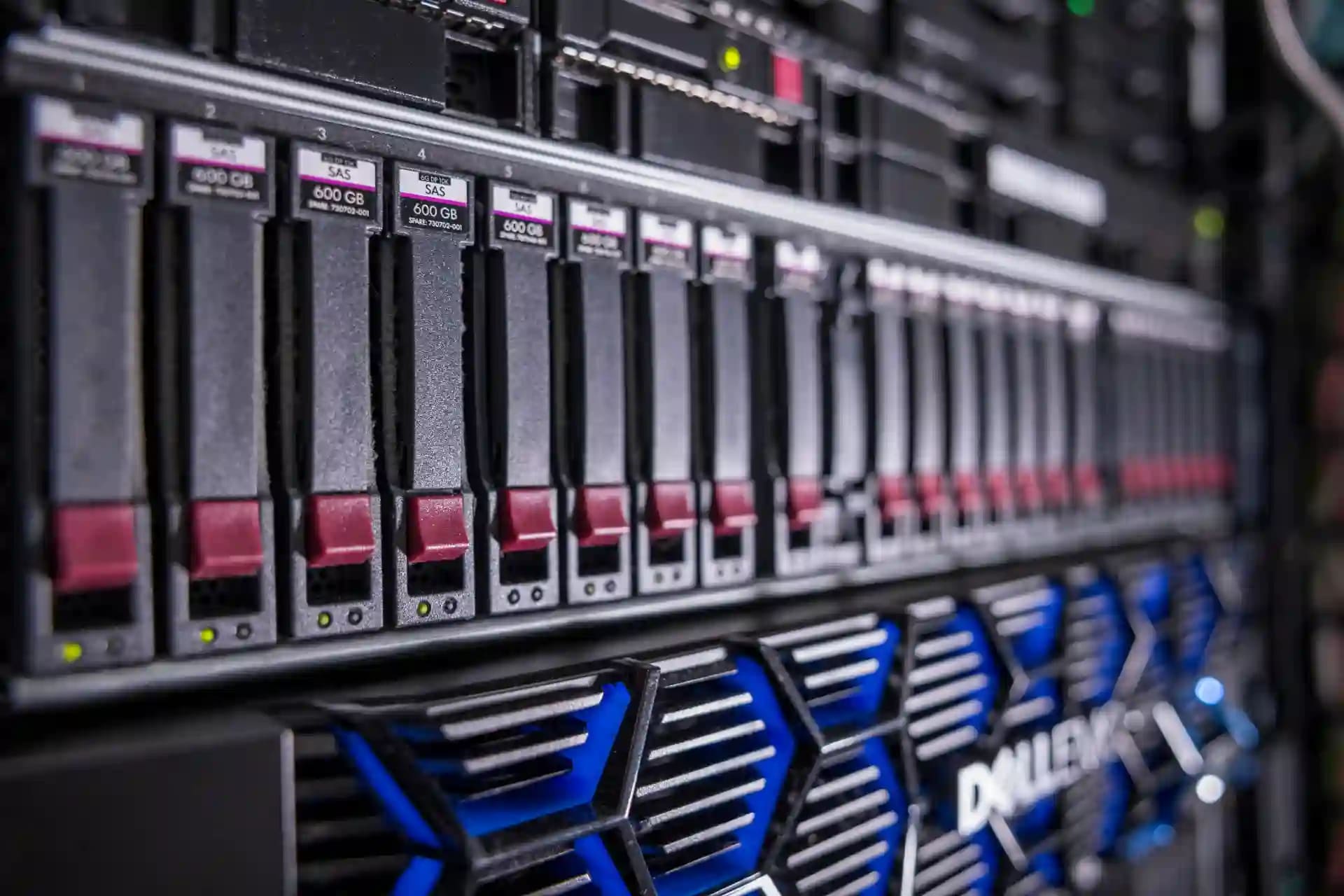
Manage devices, risks, and ownership for each customer. Keep customer environments separate and find information for support.

Document components and software versions in delivered machines. Find changes and affected machines when providing service.

Key questions before a first inventory scope.
A CMDBA CMDB is a database for configuration items such as systems, applications, services, relationships, and technical dependencies. also models assetsAn asset is a physical or digital element that is relevant to operations, control, monitoring, or security. and relationships. inventory connects asset information with vulnerabilitiesA vulnerability is an exploitable weakness in software, hardware, configuration, process, or architecture., responsibilities, and evidence so teams can review affected devices and their dependencies.
No. The secnostic® inventory brings your scanners, address management, and data sources together into one picture, and keeps them.
Yes. inventory also models machines, control systems, and network zonesZones & Conduits is an IEC 62443 concept that groups systems with similar protection needs into security zones and describes permitted communication paths between these zones as conduits.. secnostic® sensor can passively analyze mirrored network traffic. Active queries require an explicitly approved scope; the collection method depends on your environment.
inventory organizes assetsAn asset is a physical or digital element that is relevant to operations, control, monitoring, or security., responsibilities, and technical evidence. This supports audit preparation; the required evidence depends on the applicable framework and your deployment.
Configured imports and interfaces receive data from scanners, address management and files. Passing sensor data to inventory requires a configured integration. Freshness and coverage depend on the connected sources and their reconciliation.
Multiple sites can share a model. Users sign in through the configured external identity providerAn IdP creates and manages identity information and provides authentication services for applications.. platform manages tenants and access to connected applications. Roles determine who may work with which data.
We start with one site, one license review, or one audit, and make the value visible fast.